Sign In | Join Free | My carsrow.com
China Shanghai Glomro Industrial Co., Ltd. logo
Shanghai Glomro Industrial Co., Ltd.
Global MRO Solutions.
Verified Supplier

7 Years

Home > Thermal Conductivity Meter >

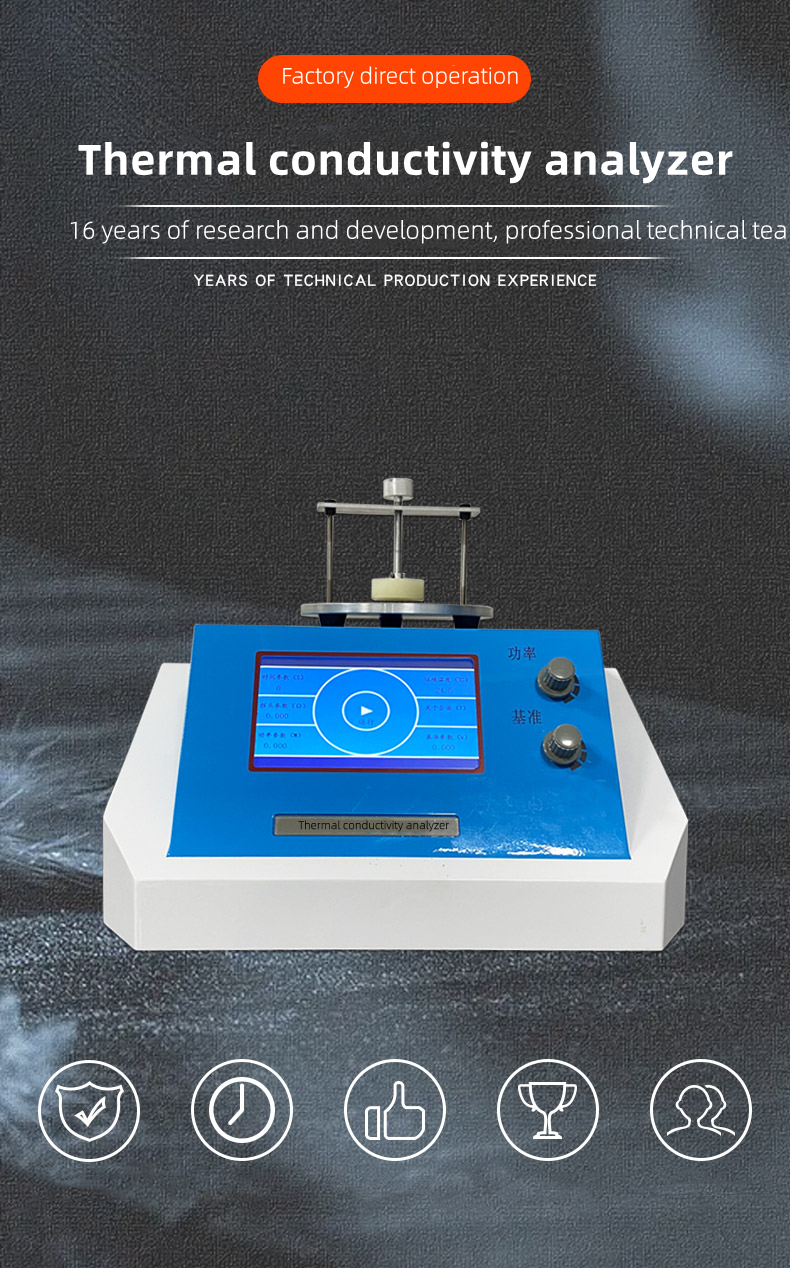
Transient Plane Source Method / Thermal Conductivity Analysis / Tps Technology Analyzer Tester

Shanghai Glomro Industrial Co., Ltd.
Trust Seal
Verified Supplier
Credit Check
Supplier Assessment
Contact Now

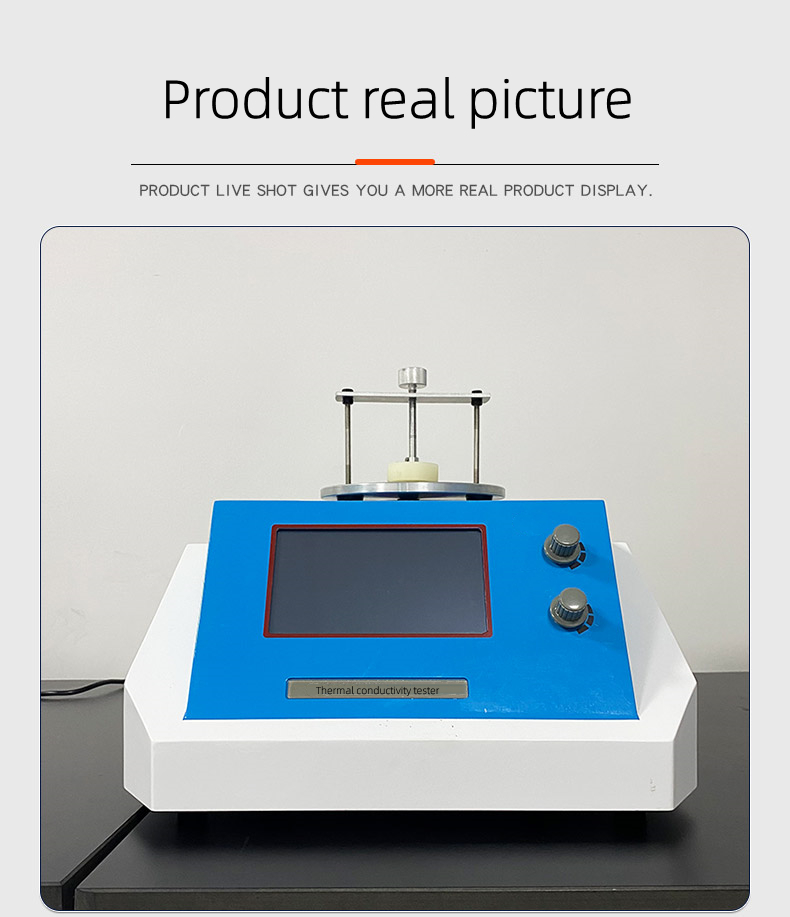
Transient Plane Source Method / Thermal Conductivity Analysis / Tps Technology Analyzer Tester

Measurement physical properties : Direct access the thermal conductivity and thermal diffusivity

Probe diameter : 15mm/7.5mm

Test object : Solid, liquid, powder, paste, colloid, granule

Measure method : Transient Plane Heat Source, Unsteady Status

Test Range : 0.005--300W/(m*K)

Brand Name : BAXIT

Model Number : BXT-DRS

Certification : CE

Place of Origin : China

MOQ : 1unit

Price : 5450USD

Payment Terms : L/C

Supply Ability : 500unit

Delivery Time : 3-5 working days

sample temperature range : Room temperature--130°C

Accuracy : +3%、-3%

Sample size request : No special requested

Contact Now

Product introduction
The BXT-DRS rapid thermal conductivity tester is a thermal conductivity tester developed using transient planar heat source technology (TPS), which can be used to test the thermal conductivity of various types of materials. The transient plane heat source method is one of the medium-sized methods for studying the heat conduction performance, which brings the measurement technology to a whole new level. The ability to quickly and accurately measure thermal conductivity when researching materials provides great convenience for enterprise quality monitoring, material production, and laboratory research. The instrument is easy to operate, the method is simple and easy to understand, and will not cause damage to the tested sample.
Working principle
Transient Planar Heat Source Technology (TPS) is a new method for measuring thermal conductivity, developed by Professor Silas Gustafsson of Chalmer
University of Technology in Sweden on the basis of the hot wire method. The principle of measuring the thermophysical properties of materials is based on the transient temperature response generated by a step-heated disc-shaped heat source in an infinite medium. A flat probe is made of thermal resistance material, which serves as a heat source and temperature sensor at the same time. The thermal resistance coefficient of the alloy is a linear relationship between temperature and resistance, that is, the heat loss can be known by understanding the change of resistance, which reflects the thermal conductivity of the sample. The probe of this method is a continuous double helix structure sheet formed after etching treatment of a conductive alloy. The outer layer is a double-layer insulating protective layer with a very thin thickness. It makes the probe have a certain mechanical strength and keeps the distance between the sample and the sample. The electrical insulation. During the test, the probe is placed in the middle of the sample for testing. When the current passes through the probe, a certain temperature rise is generated, and the generated heat is
simultaneously diffused to the samples on both sides of the probe. The speed of thermal diffusion depends on the thermal conductivity of the material. By recording the temperature and the response time of the probe, the thermal conductivity can be directly obtained from the mathematical model.
Main features
1. Fast and accurate: 5-160S can complete the test
2. Non-destructive testing: the sample is not damaged and can be reused
3. Simple sample preparation: no special requirements for sample size
4. A wide range of test objects: block solids, granular solids, liquids, powders, colloids, pastes can be tested
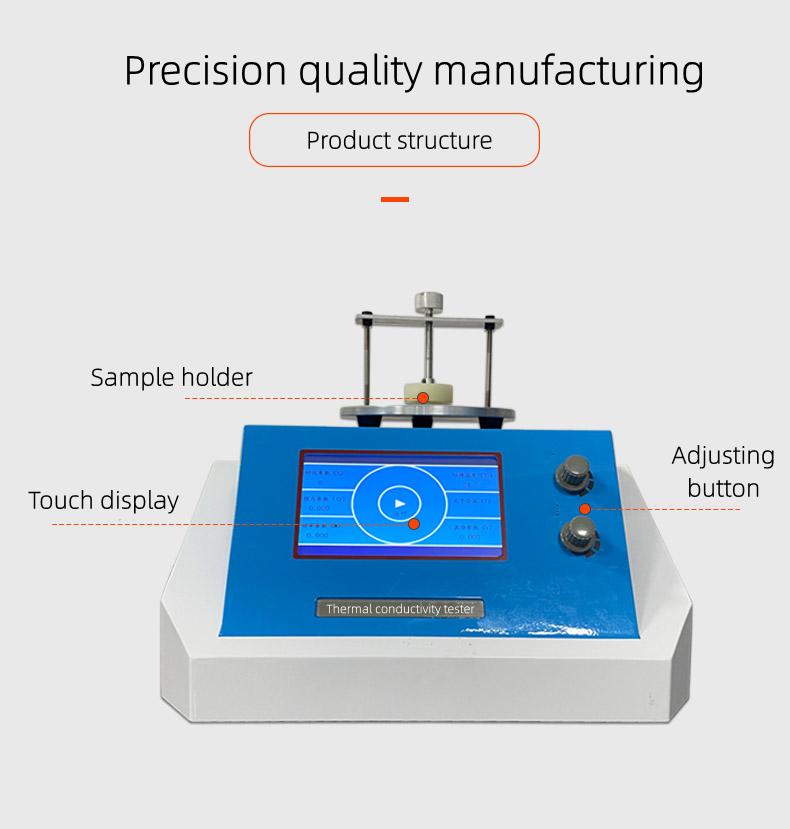
5. High flexibility: independent sample holder, detachable probe, flexible testing
6. User-friendly page, easy to operate: LCD touch screen display, easy to operate, easy to understand
Superiority:
1. Instrument reference standard: ISO 22007-2 2008
2. The test range is wide and the test performance is stable, which is at a level among similar domestic instruments;
3. Direct measurement, the test time can be set about 5-160s, which can quickly and accurately measure the thermal conductivity, saving a lot of time;
4. It will not be affected by contact thermal resistance like the static method;
5. No special sample preparation is required, and there are no special requirements for the shape of the sample. The bulk solid only needs a relatively smooth sample surface and the length and width are at least twice the diameter of the probe;
6. The non-destructive testing of samples means that the samples can be reused;
7. The probe is designed with a double helix structure, combined with the exclusive mathematical model, and the core algorithm is used to analyze and calculate the data collected on the probe;
8. The structure design of the sample table is ingenious, easy to operate, suitable for placing samples of different thicknesses, and at the same time simple and beautiful;
9. The data acquisition on the probe uses an imported data acquisition chip. The high resolution of the chip can make the test results more accurate and reliable;
10. The control system of the host uses an ARM microprocessor, which is faster than traditional microprocessors, improves the analysis and processing capabilities of the system, and makes the calculation results more accurate;
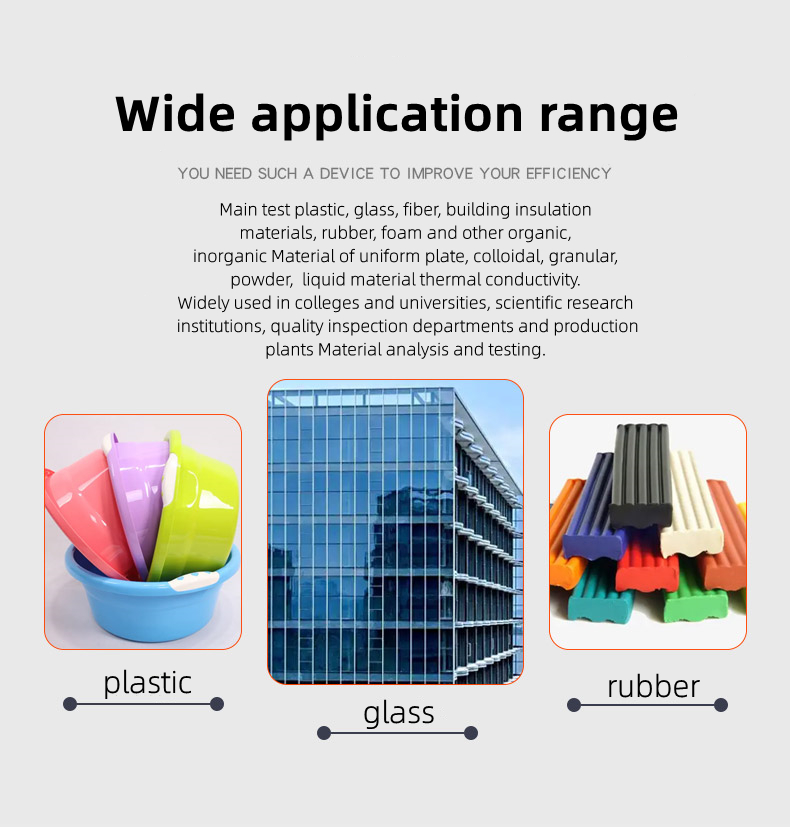
11. The instrument can be used for the determination of thermophysical parameters such as block solids, paste solids, granular solids, colloids, liquids, powders, coatings, films, thermal insulation materials, etc.;
12. Intelligent man-machine interface, color LCD screen display, touch screen control, convenient and simple operation;
13. Powerful data processing capabilities. Highly automated computer data communication and report processing system.
Test object:
Metals, ceramics, alloys, minerals, polymers, composite materials, paper, fabrics, foam plastics (insulation materials with flat surfaces, plates), mineral wool, cement walls, glass reinforced composite panels CRC, cement polystyrene panels, sandwiches Concrete, fiberglass composite panels, paper honeycomb panels, colloids, liquids, powders, granular and paste solids, etc., are tested in a wide range of objects.

Transient Plane Source Method / Thermal Conductivity Analysis / Tps Technology Analyzer TesterTransient Plane Source Method / Thermal Conductivity Analysis / Tps Technology Analyzer Tester

Measure method

Transient Plane Heat Source, Unsteady Status

Measurement physical properties


Direct access the thermal conductivity and thermal diffusivity
Test object
Solid, liquid, powder, paste, colloid, granule
Sample size request
No special requested
Test Range

0.005--300W/(m*K)

sample temperature range
Room temperature--130°C
Probe diameter
15mm/7.5mm
Accuracy
+3%,-3%
Repeatability
3%
Measuring time
5--160 seconds
Power supply
AC 220V
Total power
500w


Transient Plane Source Method / Thermal Conductivity Analysis / Tps Technology Analyzer TesterTransient Plane Source Method / Thermal Conductivity Analysis / Tps Technology Analyzer TesterTransient Plane Source Method / Thermal Conductivity Analysis / Tps Technology Analyzer TesterTransient Plane Source Method / Thermal Conductivity Analysis / Tps Technology Analyzer TesterTransient Plane Source Method / Thermal Conductivity Analysis / Tps Technology Analyzer TesterTransient Plane Source Method / Thermal Conductivity Analysis / Tps Technology Analyzer Tester


Product Tags:

Transient Plane Source Thermal Conductivity Meter


Tps Thermal Conductivity Testing Equipment

      
 Transient Plane Source Method / Thermal Conductivity Analysis / Tps Technology Analyzer Tester Manufactures

Transient Plane Source Method / Thermal Conductivity Analysis / Tps Technology Analyzer Tester Images

Inquiry Cart 0
Send your message to this supplier
 
*From:
*To: Shanghai Glomro Industrial Co., Ltd.
*Subject:
*Message:
Characters Remaining: (0/3000)